Google My Business SEO Strategies for Hotels
23 Jun, 2025
5 Mins Read

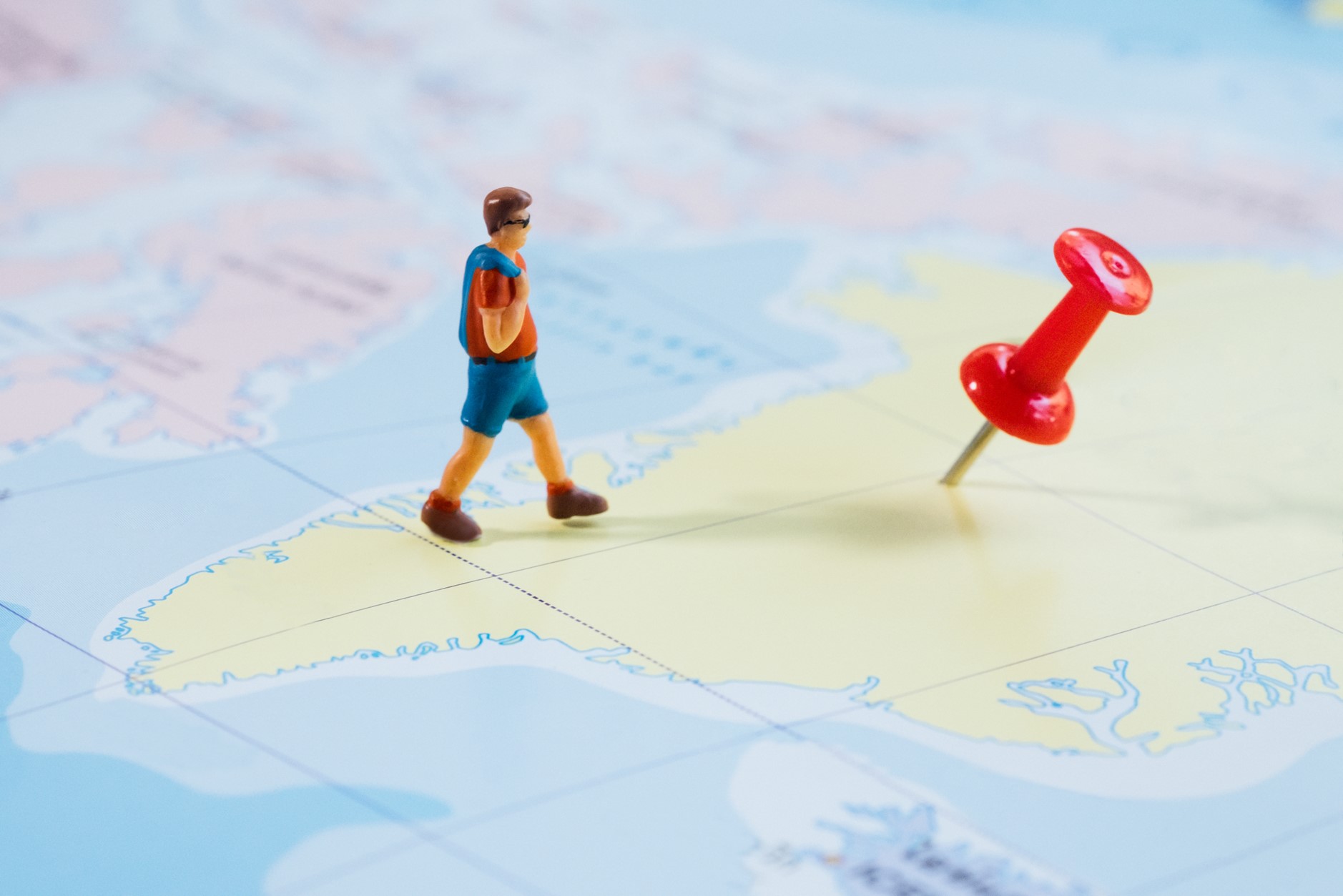
Marketing has transcended with changing times. Brands are constantly competing in a crowded marketplace to win the hearts of customers, given the situation here comes “Geo targeting” where in you don’t cast a wide net trying to bring as many prospects as possible under your brand you just hit the bull's eye by targeting those with high intent to choose your product or service.
Imagine as a coffee chain you promote iced lattes in Miami during a heatwave and advertises pumpkin spice lattes in Seattle as autumn leaves fall. That’s geo-targeting in action, delivering the right message to the right place at the right time. For multi-location brands, this isn’t just a nice-to-have, it’s a must-have to stay competitive.
In a world where consumers crave personalized experiences, generic marketing feels as outdated as a flip phone. Geo-targeting helps brands thrive “Glocally” that is it bridges the gap between global brand consistency and hyper-local relevance.
In this blog let’s explore why it’s essential, how to do it right, and the tools that make it possible.

Geo-targeting is the practice of delivering content or advertisement to users based on their geographical location. This can be as specific as a city or as broad as an entire country. Imagine you are a customer walking past a coffee shop. With geo-targeting, that shop can send you a notification about a specific offer just as you’re passing by. Personalization at this level drives foot traffic apart from enhancing customer engagement.
Consumers are seeking relevance and personalization increasingly. If you are communicating generally, you fail to build a connection with your audience. Geo advertising bridges this gap essentially. When brand communications are localized, it increases the brand reach and brands stay close and relevant to consumers making them not only your customers but turn into brand ambassadors as well. An example is Zomato’s notification which is highly regarded for its relevance. They even speak in the local language to stay very close to their target audience. In other words, this strategy is a “Digital Word of Mouth”
73% of consumers prefer brands that personalize their experience. Geo-targeting, aids to enhance your customer experience, by targeting locally and aligning your advertising, content to feed the local demand. For instance, E-commerce Brands advertise gifting targeting young couple during February for Valentine ’s Day, but the same brand targets religious goods to cater to Maha Shivarathri a local festival in India is a classic example of how geo-targeting aids in enhancing customer experience by targeting locally.
With localised content, you appear in local search results. “Near me” searches are common, and geo-targeting helps you to capitalize them. As a result, your local SEO ranking improves making you highly desirable choice for those who search. Geo-targeting also helps to increase efficiency of your ad-spend as you longer shout to world to notice you, you whisper to those who wants to hear.
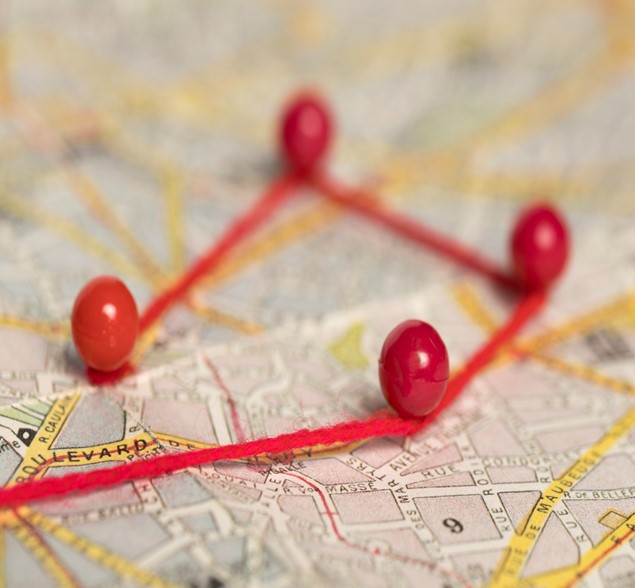
The first step is using IP Addresses of a user to determine their approximate location. Another way is GPS Data from mobile phones to pinpoint user’s location. This is much more accurate and ideal. Along with the location data, other data from user profiles, demographic details and real time signals are combined to form a pool of information to enable geo-targeting. Content adapts instantly. Here are few techniques for effective geo-targeting
One of the most common techniques is using location-based advertising through platforms like Google Ads and Facebook. These platforms enable brands to create campaigns that allow them to target users in specific geographic areas. Further brands can set parameters based on demographics, radius to ensure coverage of that geographic location.
Brands can leverage push notifications, SMS marketing, and location-based apps to reach the users. For instance, a retail store can send discount codes to users who are within a certain distance from their location.
“Geofencing” is a more advanced form of geo targeting creating a virtual boundary around a specific location. When users enter this boundary, they receive communications from brands. This technique is particularly for driving foot traffic during events, promotions or new store openings.
Social media offers robust geo targeting capabilities. Brands can target users based on their location, interests and location. Localized content can significantly boost engagement
While geo targeting offers numerous benefits, it’s not without challenges. Privacy concerns surrounding location data have led to stricter regulations and user hesitance. Brands must ensure they comply with privacy laws and obtain necessary permissions to use location data with tools like local listing management software. Additionally, geo targeting across multiple locations can be complex, but with a well- thought strategy and execution plan, brands can leverage more out of it.
The future of multi-location marketing is local, geo targeting is your key unlocking it, for pumping your marketing game with hyperlocal marketing platform, connect with ProManage
Book Your Demo Now!
Have Questions or Suggestions?
info@promanage.bizNeed Assistance? Give Us a Call.
+91 93848 84382For partnership enquiry:
partners@promanage.biz Company Information